

Designing for Clients Who Have Multiple Homes: How We Create Continuity Without Repetition
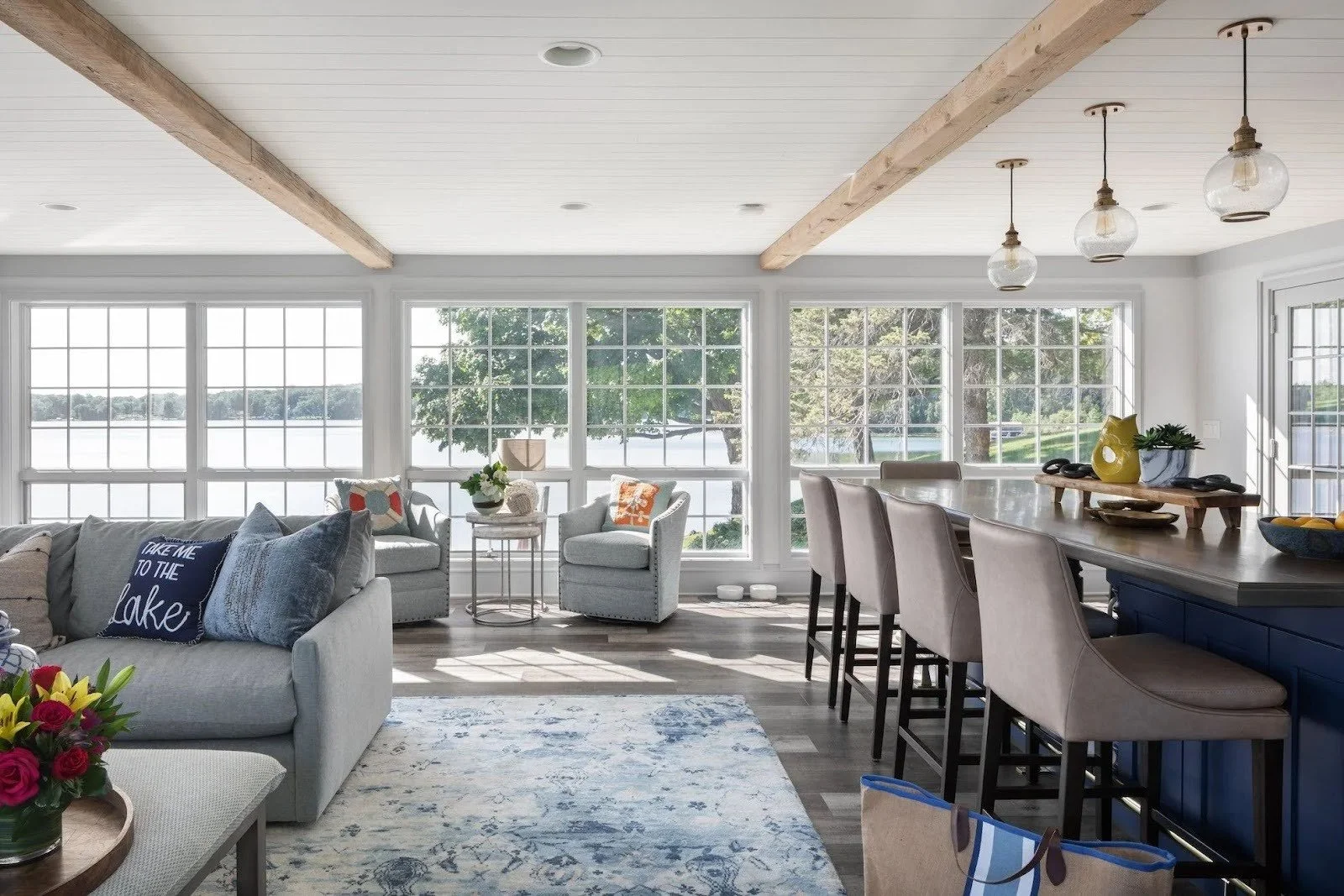
Designing for a single home requires clarity. Designing for multiple homes requires both clarity and range. Many of our clients live across regions—whether that means a primary residence in the Midwest and a coastal home in Florida, or multiple properties used throughout the year.
In these situations, the goal is not to replicate one home in another. It is to create a sense of continuity while allowing each space to respond to its location. This balance, continuity without repetition, is what defines a thoughtful, atelier-informed approach to bi-regional interior design.
Key Takeaways
Designing for multiple homes requires balancing consistency with responsiveness to each location.
Continuity comes from a consistent design language.
Climate, light, and regional context should guide material and design decisions.
Each home should reflect how it is used, from everyday living to hosting and gathering.
An atelier-informed approach ensures cohesive, thoughtful results across multiple properties.
Designing for Clients with Multiple Homes Requires a Different Approach
When working on multiple residences for the same client, the design process shifts. Instead of focusing on a single environment, we consider how each home fits into a broader pattern of living.
Clients often move between homes with different climates, light conditions, architectural styles, and daily routines. A coastal home may prioritize openness, light, and durability, while a Midwestern residence may focus more on layering, enclosure, and seasonal variation.
Rather than forcing a single aesthetic across both, we begin by understanding how each home will be used and experienced.
Creating Continuity Across Multiple Homes Through Design
Establishing a Consistent Design Language
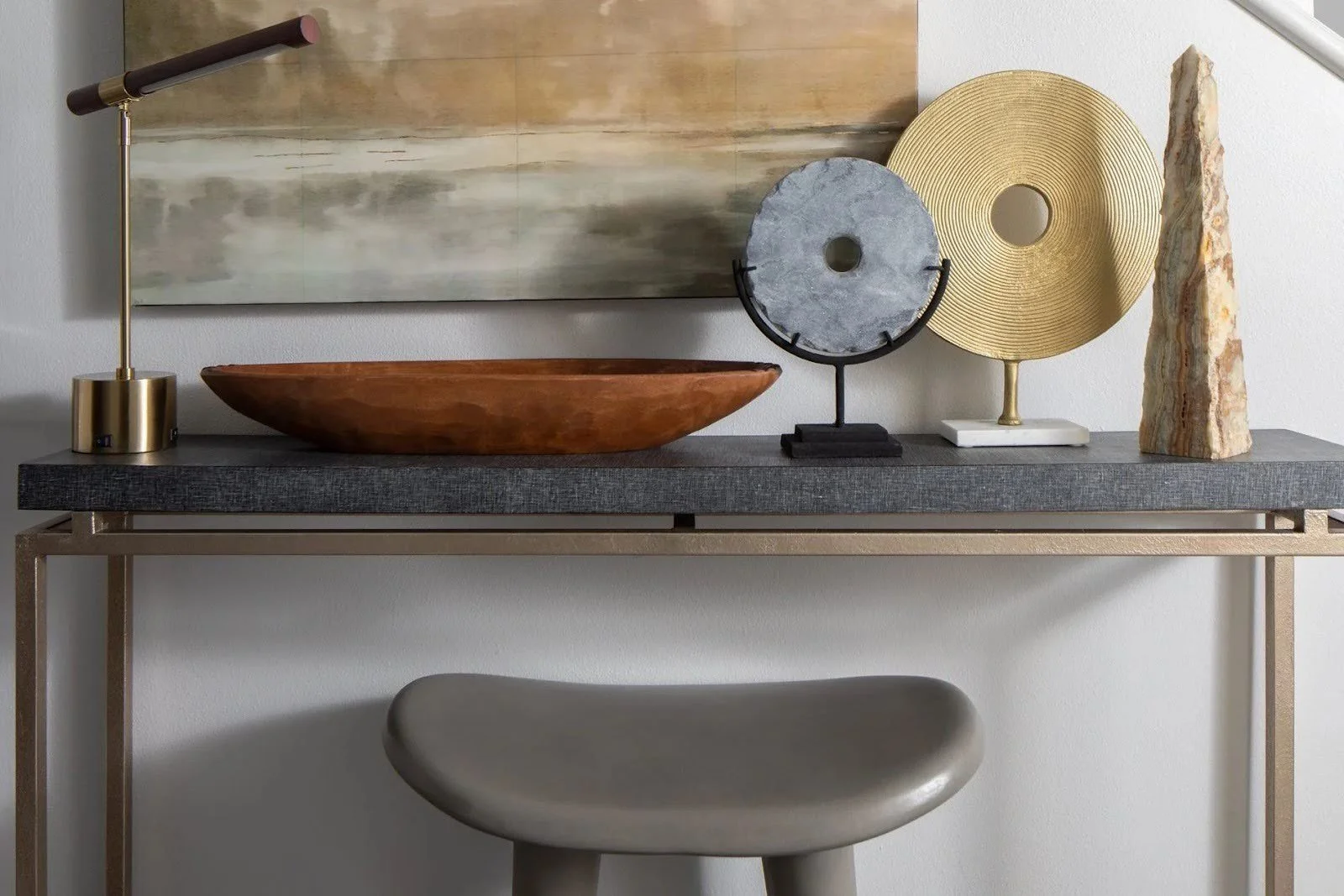
Continuity does not necessarily come from repeating materials or furniture. It comes from maintaining a consistent design language, including:
Proportion and scale
Spatial planning principles
Material sensibility
Level of detail and refinement
When these elements remain consistent, the homes feel connected, even if the finishes and layouts differ.
Designing for How Clients Live Across Locations
Clients with multiple homes often use each property differently. One may be designed for hosting and gathering, while another supports quieter, everyday living. This is why we consider:
How often the home is used
Whether it functions as a retreat or a primary residence
The type of hosting that takes place
How guests move through the space
This allows each home to feel appropriate to its purpose while still aligning with the client’s overall lifestyle.
Responding to Climate, Light, and Regional Context
Climate-Responsive Interior Design
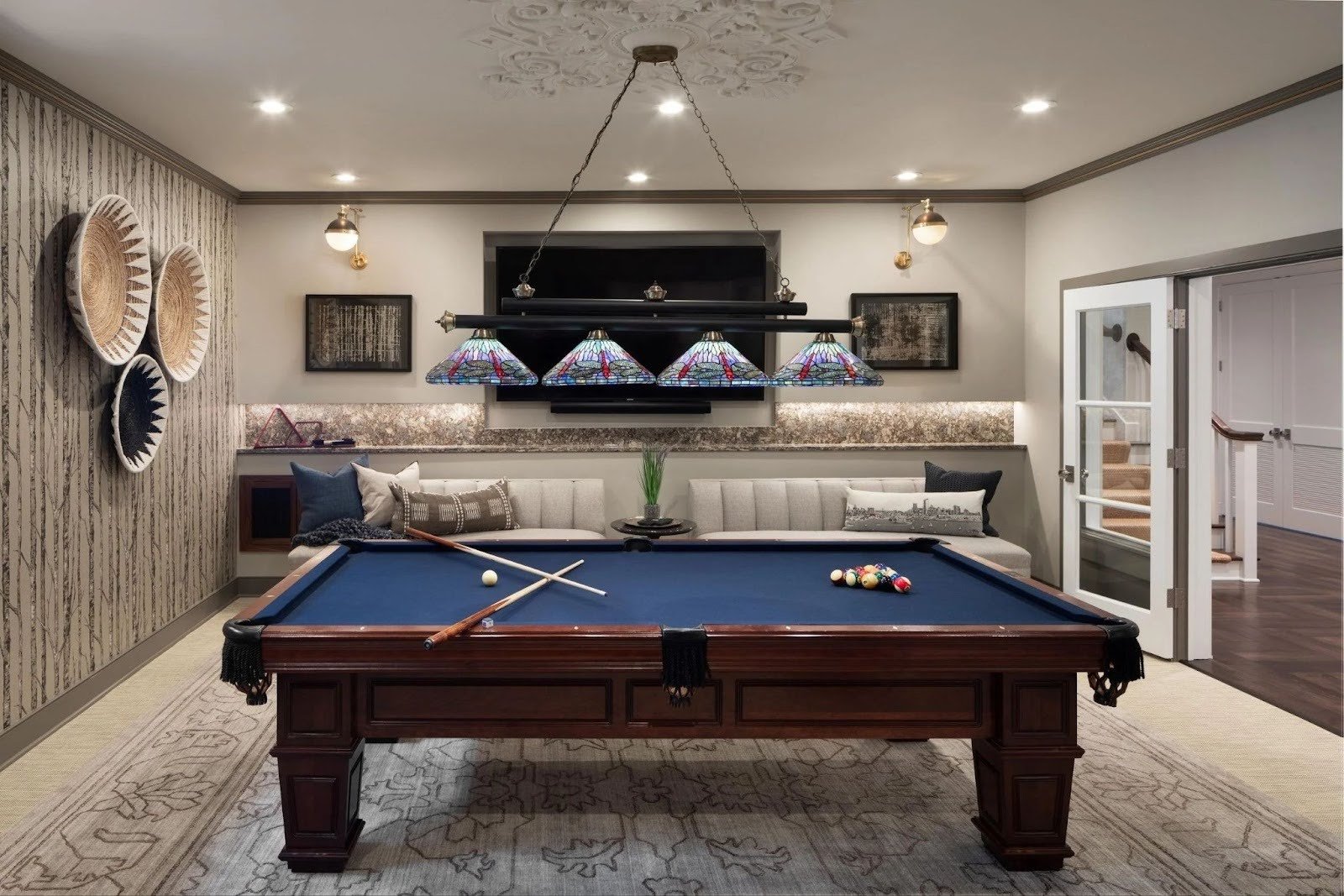
Climate plays a significant role in how materials perform and how spaces are experienced. In coastal environments, humidity, salt air, and strong sunlight influence material selection, finishes, and durability requirements.
In colder climates, seasonal shifts require a different approach to layering, insulation, and lighting. Designing across regions means responding to these conditions thoughtfully rather than applying a one-size-fits-all solution.
Light and Atmosphere in Different Locations
Light behaves differently depending on location. The intensity, angle, and quality of light all influence how a space feels.
A Florida home may benefit from managing brightness and glare, while a Midwestern home may focus on enhancing natural light during shorter winter days. By responding to light conditions in each location, we create interiors that feel grounded in their setting.
Material Intelligence in Multi-Home Interior Design
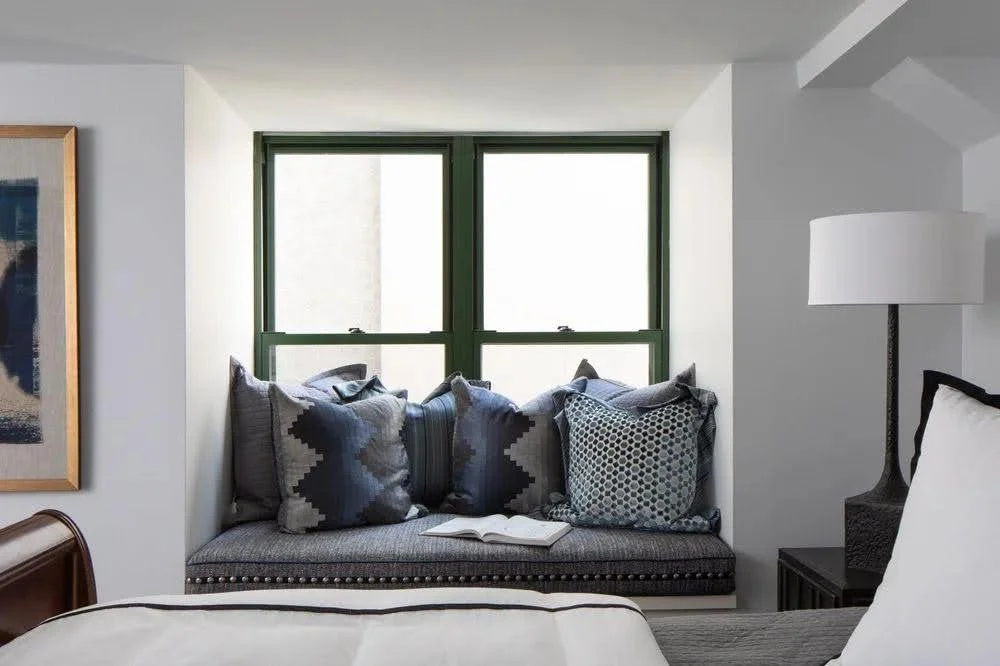
Material selection is one of the most important tools for creating both continuity and distinction. Rather than simply repeating the same materials across homes, we focus on:
How materials perform in each environment
How they age over time
How they contribute to the overall atmosphere
This approach ensures that each home feels appropriate to its location while maintaining a consistent level of quality and thoughtfulness. Material intelligence allows for variation without losing cohesion.
Avoiding Repetition While Maintaining Cohesion
One of the most common misconceptions in multi-home design is that continuity requires duplication. In reality, repeating the same finishes, furnishings, or layouts across homes can feel forced.
Instead, we focus on:
Consistent decision-making frameworks
Similar levels of detail and craftsmanship
Shared design principles rather than identical elements
This creates a sense of familiarity without redundancy. The result is a collection of homes that feel related, but not repetitive.
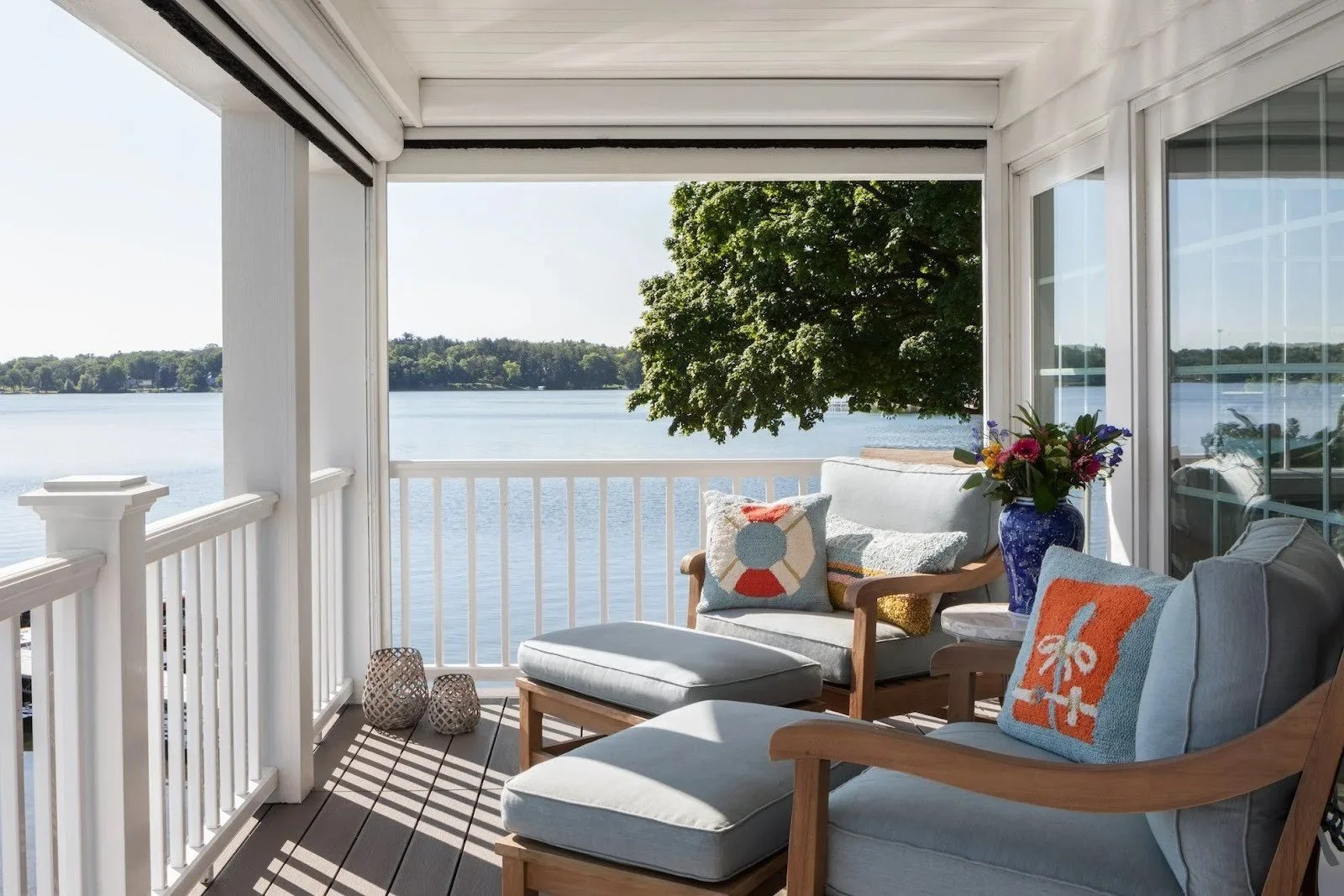
An Atelier-Informed Approach to Bi-Regional Interior Design
Our atelier-informed process is particularly well suited to clients with multiple homes. Because atelier describes how decisions are made, it allows us to:
Adapt to different environments
Maintain clarity across projects
Collaborate closely with regional partners
Ensure each home is thoughtfully resolved
The discipline behind the process remains consistent, even as the conditions change. This is what allows the work to feel both flexible and grounded.
FAQs About Designing for Clients with Multiple Homes
How do you create continuity between multiple homes without making them feel the same?
Continuity comes from consistent design thinking rather than repeated materials or furnishings. By maintaining similar approaches to proportion, planning, and detail, each home feels connected without being identical.
Should multiple homes have the same design style?
A consistent design language is more important than a fixed style. Each home should respond to its location, architecture, and intended use.
How does climate affect interior design decisions?
Climate influences material selection, durability, and how spaces are used. Coastal environments, for example, require materials that can withstand humidity and sun exposure, while colder climates may prioritize insulation and layered lighting.
What is the benefit of working with one designer across multiple homes?
Working with one interior design practice allows for continuity in decision-making and a deeper understanding of how a client lives across locations. This leads to more cohesive and thoughtful results.
When designing across multiple homes, can each home still feel unique?
Yes. In fact, it should. The goal is not uniformity, but a sense of connection. Each home should feel appropriate to its setting while still reflecting the client’s broader lifestyle.
Bi-Regional Interior Design Firm
Designing for clients with multiple homes requires a balance between consistency and responsiveness. Each project must stand on its own while still contributing to a larger, cohesive vision.
At Pedro Lima Interiors, we approach bi-regional interior design with a focus on clarity, collaboration, and material intelligence, creating homes that feel connected without repetition.
If you are planning a project across multiple residences and are looking for a thoughtful, process-driven approach, book a Discovery Call to discuss your project and learn more about working together.
