

Designing for Hosting, Not Just Living
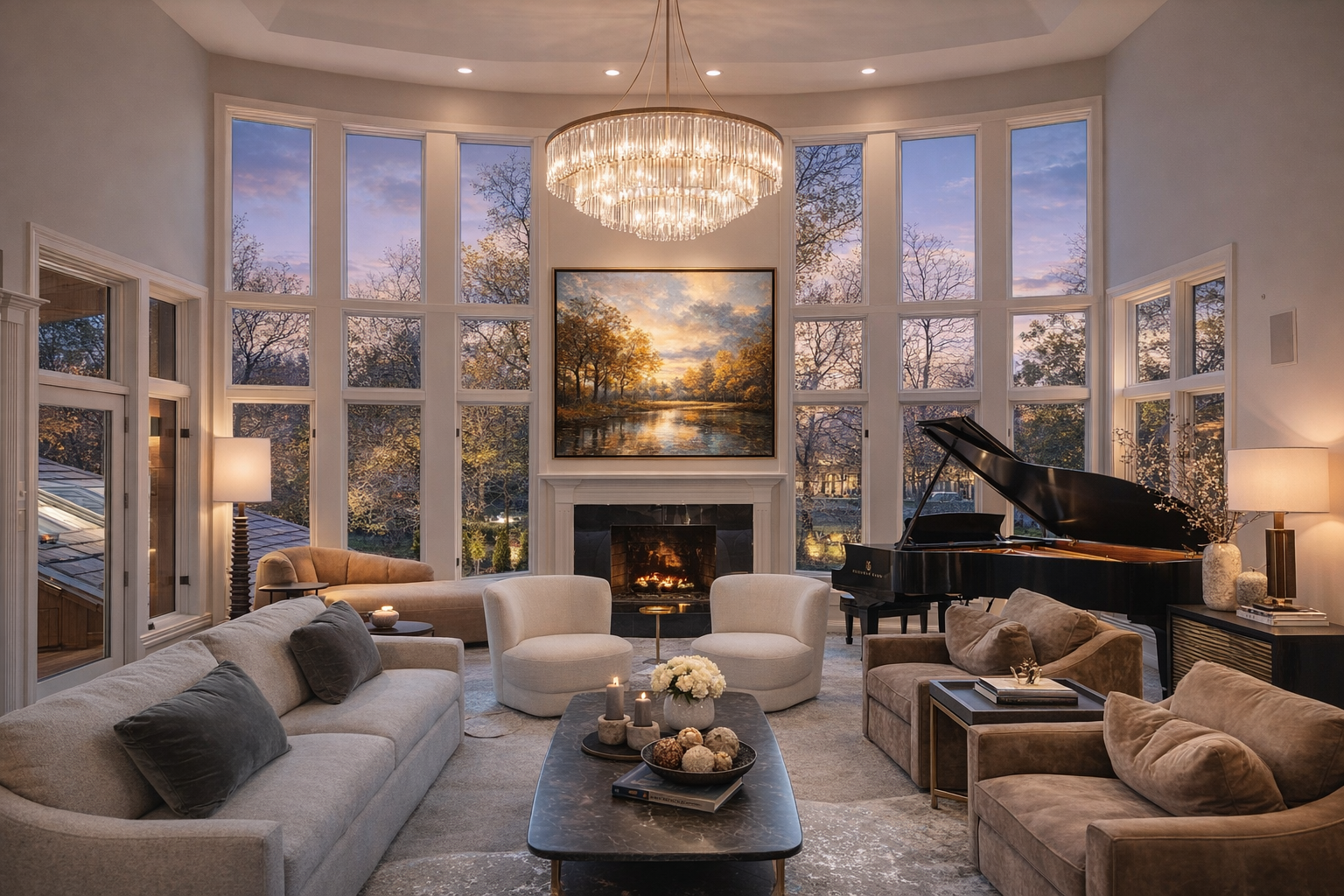
Many homes are designed primarily for everyday living. The furniture fits the room, the finishes look polished, and the layout functions well for daily routines. But when it comes time to host, whether it’s a casual gathering with friends or a holiday dinner, the space doesn’t always support the experience.
At Pedro Lima Interiors, we approach residential design with hosting in mind from the beginning. Spaces should not only look beautiful and function well day to day, but also adapt easily when people gather. When interior design considers how guests move, gather, and linger, the result is a home that feels more welcoming, comfortable, and intentional.
Key Takeaways
Designing for hosting improves everyday living by creating spaces that are comfortable, intuitive, and welcoming.
Thoughtful furniture layouts and seating clusters encourage conversation and natural gathering.
Clear circulation paths help guests move easily through a home during gatherings.
Layered lighting and built-in features like bar areas make entertaining more functional and enjoyable.
Durable materials and intentional design choices ensure spaces perform well over time.
Why Designing for Hosting Improves Everyday Living
One of the interesting realities of residential design is that the features that support hosting also tend to improve daily life. When circulation is clear, lighting is layered, and seating arrangements are well considered, the space works better whether you are alone, with family, or entertaining guests.
Designing with hosting in mind means considering questions such as:
Where will guests naturally gather?
How will people move through the space?
Are there comfortable places to pause or sit?
Does the lighting support both conversation and atmosphere?
When these questions guide the design process, the home feels easier to live in every day. The layout becomes intuitive, and the space feels calm and balanced even during larger gatherings.
Creating Spaces That Encourage Gathering
Thoughtful Furniture Layout and Seating Clusters
One of the most important elements in designing for hosting is furniture placement. Large rooms often benefit from multiple seating clusters rather than one oversized arrangement.
This approach allows conversations to happen naturally. Smaller groupings create comfortable zones where guests can sit, talk, or move between areas without disrupting the flow of the room.
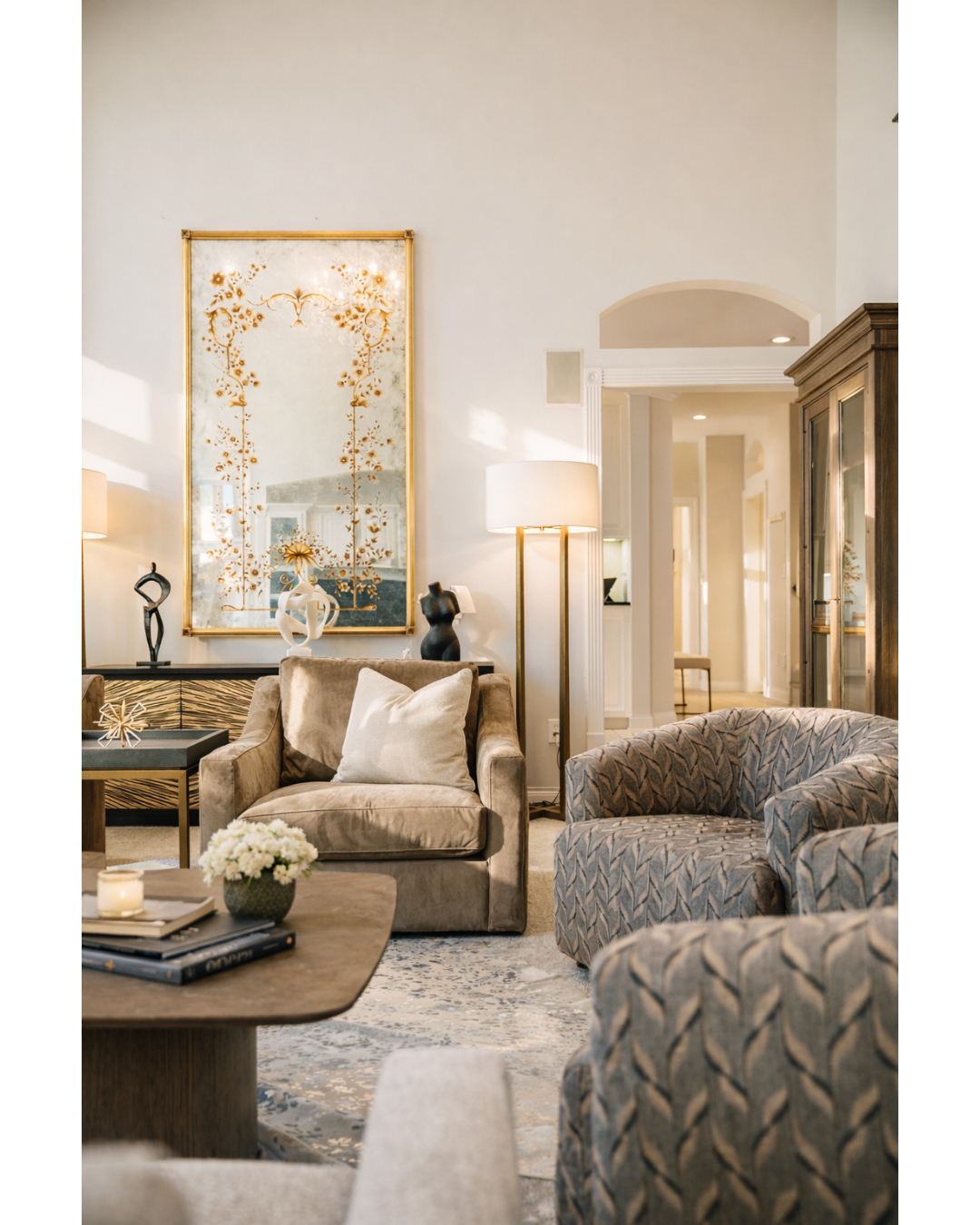
A well-planned seating arrangement also encourages people to linger. Chairs placed at comfortable angles, sofas with adequate spacing, and flexible seating options all contribute to a more relaxed and inviting environment.
Circulation and Flow in Interior Design
Circulation is another critical factor when designing a home for hosting. Guests should be able to move easily through the space without encountering awkward bottlenecks or blocked pathways.
Clear circulation paths help guests navigate naturally between areas such as the kitchen, living room, dining area, and outdoor spaces. When the flow is intuitive, people feel more comfortable exploring and settling into different parts of the home.
In many renovation projects, subtle adjustments to furniture placement, lighting, or built-in elements can dramatically improve how the room functions during gatherings.
Designing Functional Entertaining Areas
Bar Areas and Built-In Storage
Dedicated entertaining features can make hosting significantly easier. Built-in bars, beverage stations, and thoughtfully integrated storage help keep gatherings organized while adding architectural structure to the room.
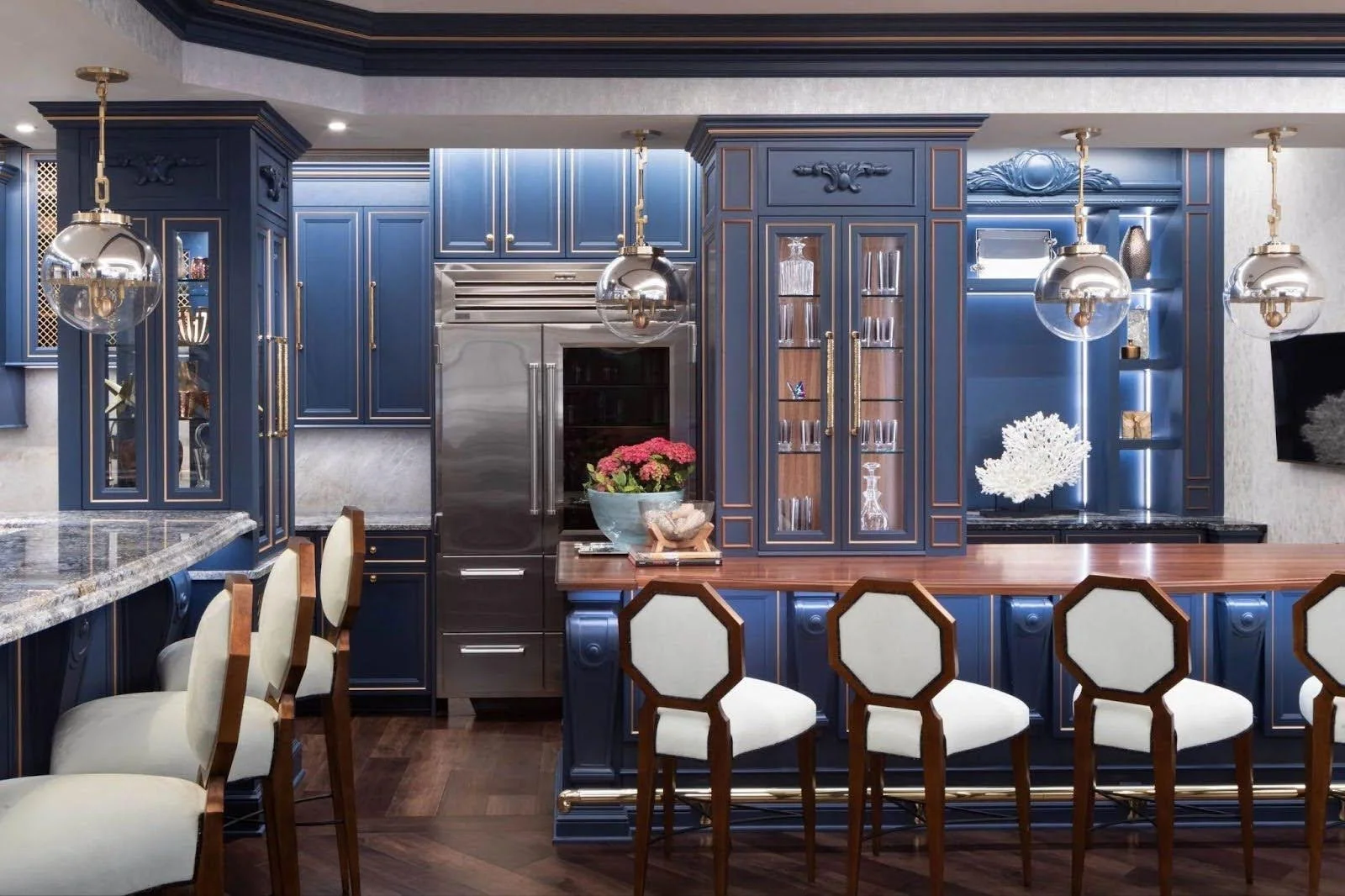
A well-designed bar area often includes:
Built-in cabinetry for glassware and serving pieces
Counter space for preparing drinks or serving food
Layered lighting that highlights materials and creates ambiance
These elements allow hosts to prepare drinks or refreshments without leaving guests for long periods of time.
Lighting That Supports Atmosphere and Function
Lighting plays a crucial role in spaces designed for hosting. A single overhead fixture rarely provides the flexibility needed for different types of gatherings.
Layered lighting such as sconces, table lamps, recessed fixtures, and accent lighting allows homeowners to adjust the atmosphere depending on the occasion. Brighter lighting may be useful during meal preparation, while softer lighting encourages conversation later in the evening.
Carefully placed lighting also highlights architectural details, millwork, and material transitions, helping the room feel more composed and intentional.
Material Choices That Support Long-Term Use
Designing for hosting also requires careful attention to materials. Surfaces, upholstery, and finishes should perform well under regular use while still maintaining a refined appearance.
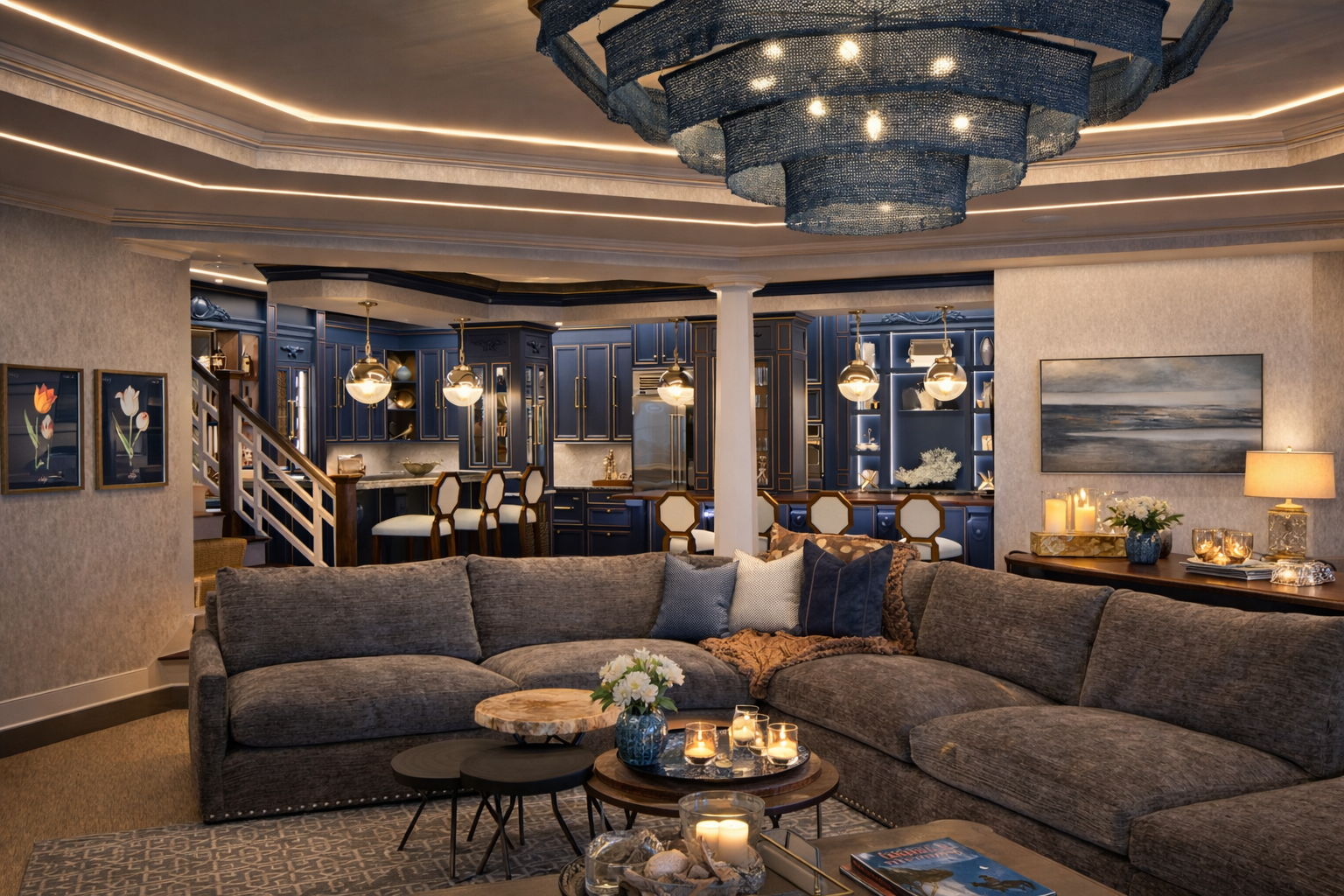
Durable materials help ensure that the space continues to look beautiful after years of gatherings. At the same time, thoughtful material selection contributes to the overall atmosphere of the room. Texture, color depth, and natural materials often help create spaces that feel comfortable rather than overly formal.
When materials are chosen with longevity in mind, the home becomes easier to maintain and more enjoyable to use.
Designing Homes That Support Both Living and Hosting
Homes that are thoughtfully designed for hosting tend to feel more complete overall. Instead of rooms that are only visually appealing, the spaces become environments that support real interaction and connection.
Ultimately, designing for hosting is not about creating a showpiece. It is about shaping environments where people can gather comfortably and where everyday living and entertaining feel equally natural.
FAQs About Designing Homes for Hosting
Do you need a large home to design for hosting?
Designing for hosting does not require a larger home. It requires thoughtful planning. Smaller homes can support hosting when the layout, furniture placement, and lighting are carefully planned. Thoughtful design often matters more than square footage.
What are the most important features for creating spaces designed for entertaining?
Some of the most important features include comfortable seating clusters, clear pathways between rooms, layered lighting, and functional elements such as bar areas or built-in storage.
How does lighting affect spaces designed for hosting?
Lighting influences both function and atmosphere. Layered lighting allows homeowners to adjust brightness for different moments, from preparing food to creating a relaxed evening ambiance.
Why is furniture layout important when hosting guests?
Furniture layout helps determine how people gather and move within a room. Well-placed seating clusters encourage conversation and help guests feel comfortable and welcome.
Designing a Home That Supports Gathering
If you are planning a renovation or new design project and want your home to feel as welcoming during gatherings as it does during everyday life, thoughtful planning makes all the difference.
At Pedro Lima Interiors, we design residential and hospitality-inspired environments that support both living and hosting.
Book a Discovery Call to inquire about your project and learn more about working together.
