

Material Intelligence in Interior Design: Designing With How Things Are Made
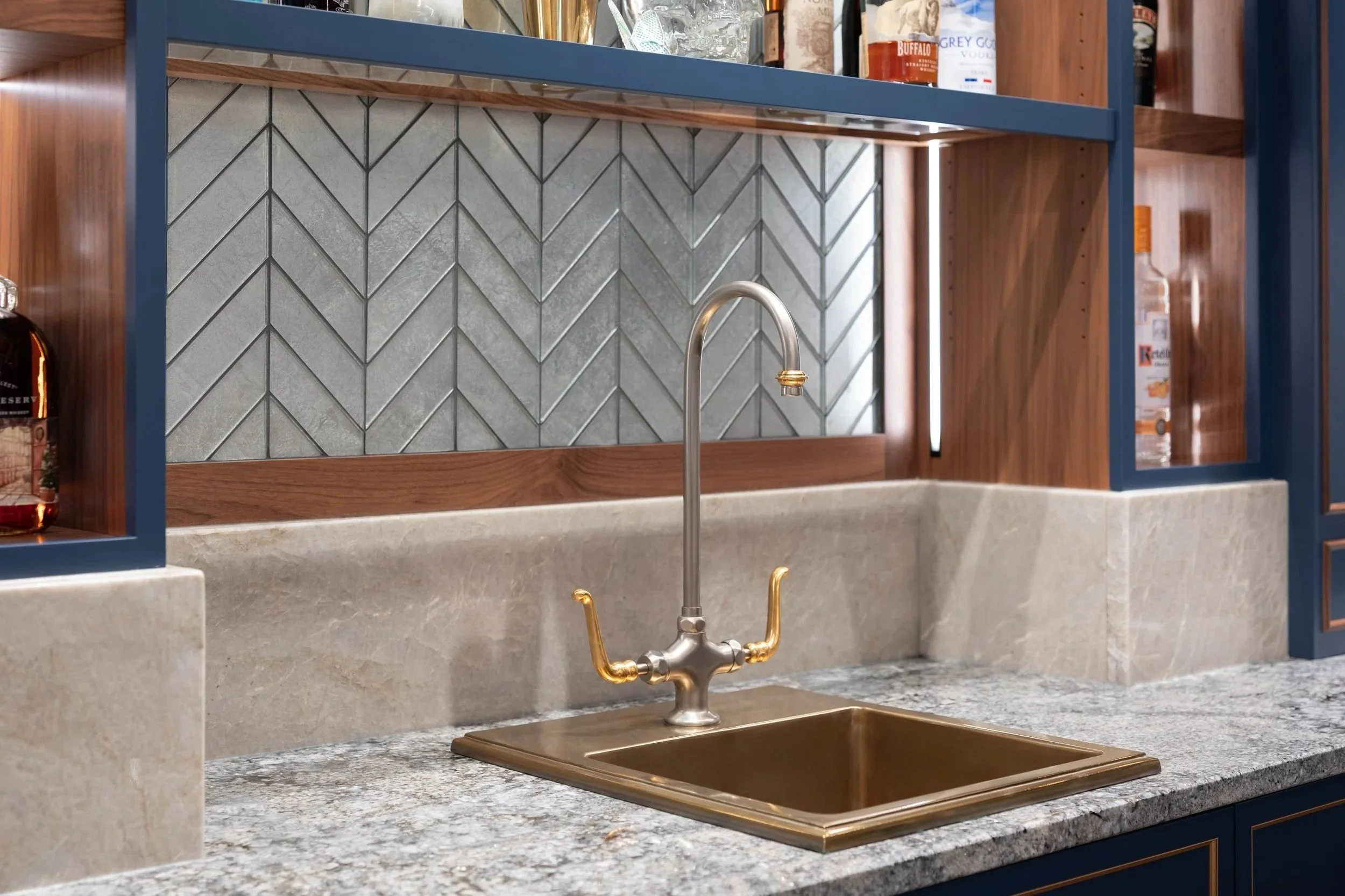
There is a tendency to think of materials as a finishing decision. Stone, wood, metal, and plaster are often discussed in terms of appearance, color, or trend. In reality, material selection begins much earlier. Before a material is beautiful, it has to perform. Before it creates atmosphere, it has to be understood.
At Pedro Lima Interiors, we think about materials not simply as products, but as systems with their own inherent logic. Every material has strengths, limitations, manufacturing processes, and installation requirements that influence how it should be used. Designing well means understanding those realities, not working against them.
This approach is what we refer to as material intelligence.
Key Takeaways
The way a material is made, installed, and performs should guide design decisions from the very beginning of a project.
Designing in harmony with a material's natural properties results in spaces that feel more authentic, cohesive, and enduring.
Close collaboration with skilled fabricators and artisans transforms thoughtful concepts into refined, well-executed interiors.
Choosing materials based on durability, maintenance, and how they age helps create homes that continue to improve over time.
A thoughtful approach to material selection creates spaces that remain functional and beautiful for years to come.
What Is Material Intelligence in Interior Design?
Material intelligence is the practice of designing with a deep understanding of how materials are made, how they age, and how they perform over time.
Rather than selecting finishes based solely on aesthetics, material intelligence considers questions such as:
How is this material manufactured?
What happens as it expands, contracts, or develops a patina?
What level of craftsmanship is required to fabricate it properly?
How will it respond to daily use?
Is it appropriate for this specific application?
These questions influence nearly every design decision we make.
A marble slab behaves differently than engineered stone. Solid wood moves differently than veneer. Brass changes over time while powder-coated steel remains relatively consistent. None of these characteristics are inherently better than another. They simply require different design strategies.
Understanding those distinctions allows every detail to feel intentional rather than forced.
Why Material Knowledge Leads to Better Interior Design
When designers understand how materials are fabricated and installed, projects become more cohesive from concept through construction.
Material intelligence affects everything from cabinet detailing and stone layouts to lighting integration and millwork proportions. It helps anticipate construction challenges before they become costly field revisions and allows the design team to collaborate more effectively with architects, fabricators, and craftspeople.
More importantly, it creates interiors that feel authentic.
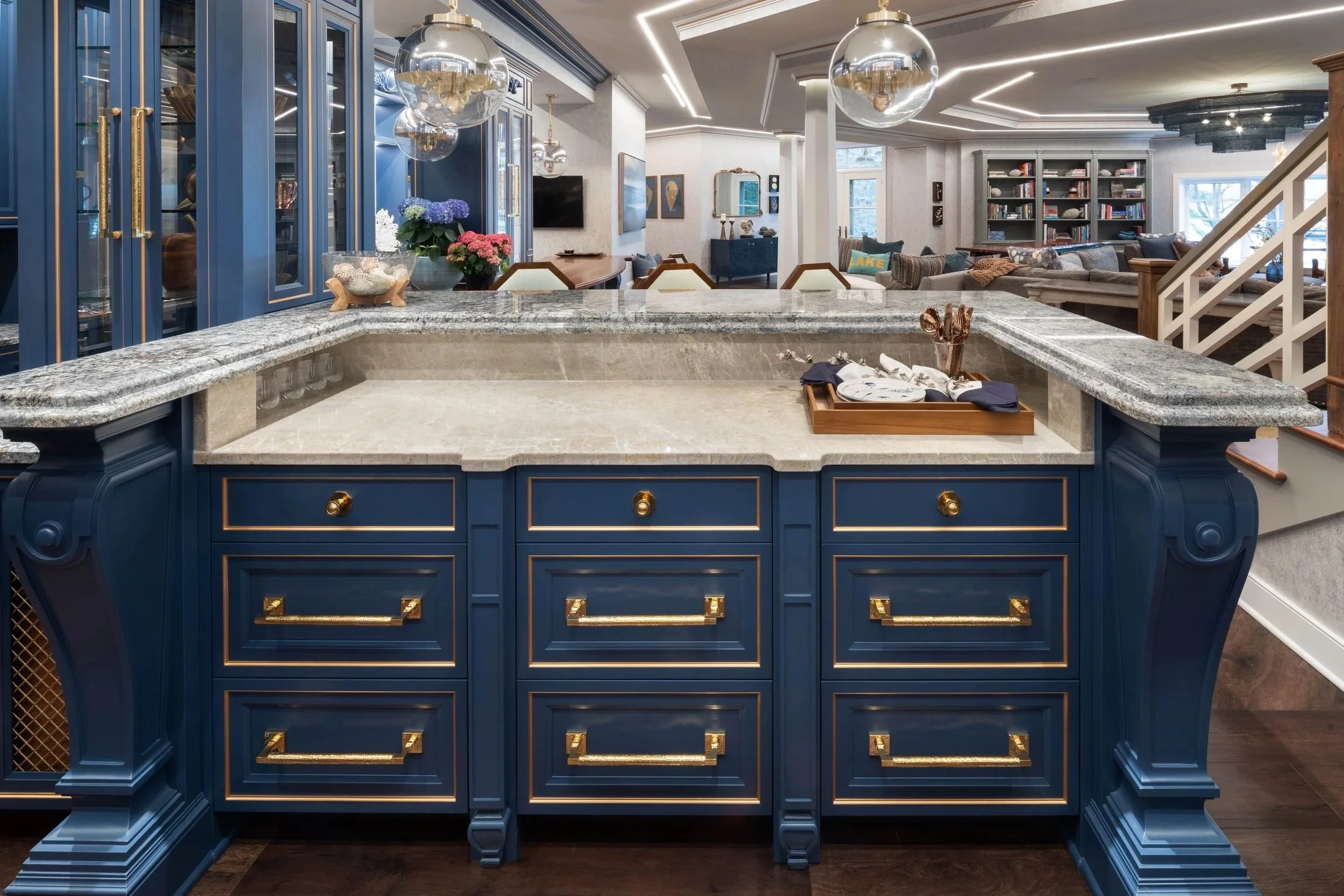
People may not consciously identify why one space feels effortless while another feels overdesigned, but often the difference lies in how honestly the materials have been used. Good design allows each material to express what it naturally does best.
Designing With Materials, Not Against Them
Every material wants to behave a certain way.
Wood has grain, movement, and warmth. Natural stone contains veining that should be composed rather than hidden. Metals develop texture, reflect light differently throughout the day, and often become more beautiful with age.
When we understand these characteristics, the design becomes less about controlling materials and more about partnering with them.
Instead of forcing symmetry where the stone slab naturally suggests asymmetry, we may celebrate the movement of the veining. Rather than disguising a metal joint, we may express it with precision. Instead of selecting materials that imitate something else, we often prefer those that honestly communicate what they are.
The Relationship Between Craftsmanship and Material Selection
Material intelligence also means understanding the people who bring these materials to life. Every custom millworker, stone fabricator, metal artisan, upholsterer, and plaster specialist contributes expertise that influences the final outcome. Their knowledge often extends far beyond what appears in product specifications.
The earlier these conversations happen, the stronger the project becomes.
Rather than treating fabrication as the final step, we see it as part of the design process itself. Details evolve through dialogue, prototypes, and collaboration, resulting in solutions that are both technically sound and visually refined.
The finished work reflects not only thoughtful design but also exceptional craftsmanship.
Material Intelligence Creates Timeless Interiors
Many interiors become dated because they rely on fashionable finishes rather than enduring principles. Material intelligence offers a different approach.
Instead of asking what materials are currently popular, we ask whether they belong in the project. Whether they support the architecture. Whether they will wear gracefully. Whether they reinforce the experience we want the home to create.
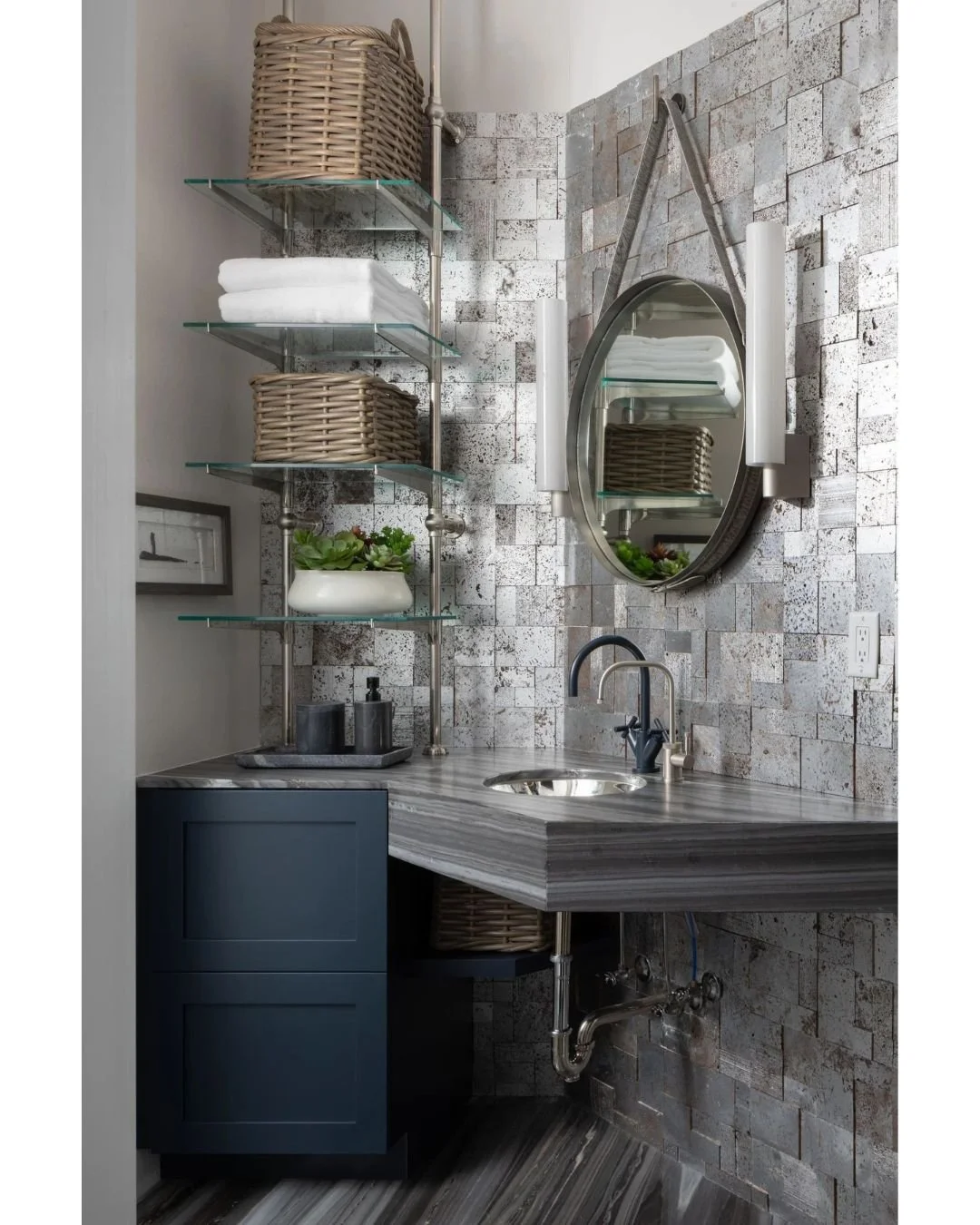
A thoughtfully selected material palette does more than establish visual consistency. It creates emotional consistency. Spaces feel grounded because every finish contributes to the same larger story.
This is one reason timeless interiors often appear deceptively simple. Their richness comes not from excess but from restraint, proportion, and an honest understanding of the materials themselves.
FAQs About Material Intelligence in Interior Design
Why is material selection so important in luxury interior design?
Materials influence far more than aesthetics. They affect how a space functions, how it feels to live in, how it wears over time, and how successfully it can be built. Thoughtful material selection creates interiors that are both beautiful and enduring.
How do you choose materials that will last?
Long-lasting interiors begin with understanding how materials perform in real-life conditions. We consider factors such as durability, maintenance requirements, environmental conditions, fabrication methods, and how each material will naturally age before making a selection.
What does it mean to design with how things are made?
Designing with how things are made means understanding the manufacturing and fabrication process behind each material. This knowledge informs everything from construction details and custom millwork to stone layouts and finish selections, resulting in designs that feel intentional and are built to perform.
Why does craftsmanship matter in interior design?
Exceptional craftsmanship allows materials to be used to their fullest potential. Close collaboration with skilled fabricators, artisans, and contractors ensures that design intent is carried through every stage of construction, resulting in interiors that are refined, cohesive, and built to last.
Designing Homes That Improve Over Time
The most memorable homes are rarely defined by expensive finishes alone. They are defined by thoughtful decisions—materials selected for the way they perform, details resolved with precision, and craftsmanship that reveals itself gradually over years of use.
When every finish is chosen with an understanding of how it is made and how it will live within the home, the result is an interior that feels authentic from the day it is completed and continues to improve with time.
If you're planning a project and are looking for a design approach rooted in craftsmanship, technical expertise, and lasting quality, we'd welcome the opportunity to discuss your vision. Book a Discovery Call to explore how thoughtful material selection can elevate the way your home looks, performs, and feels for years to come.
