

What Boutique Hotels Get Right — And How to Apply it to Home Design
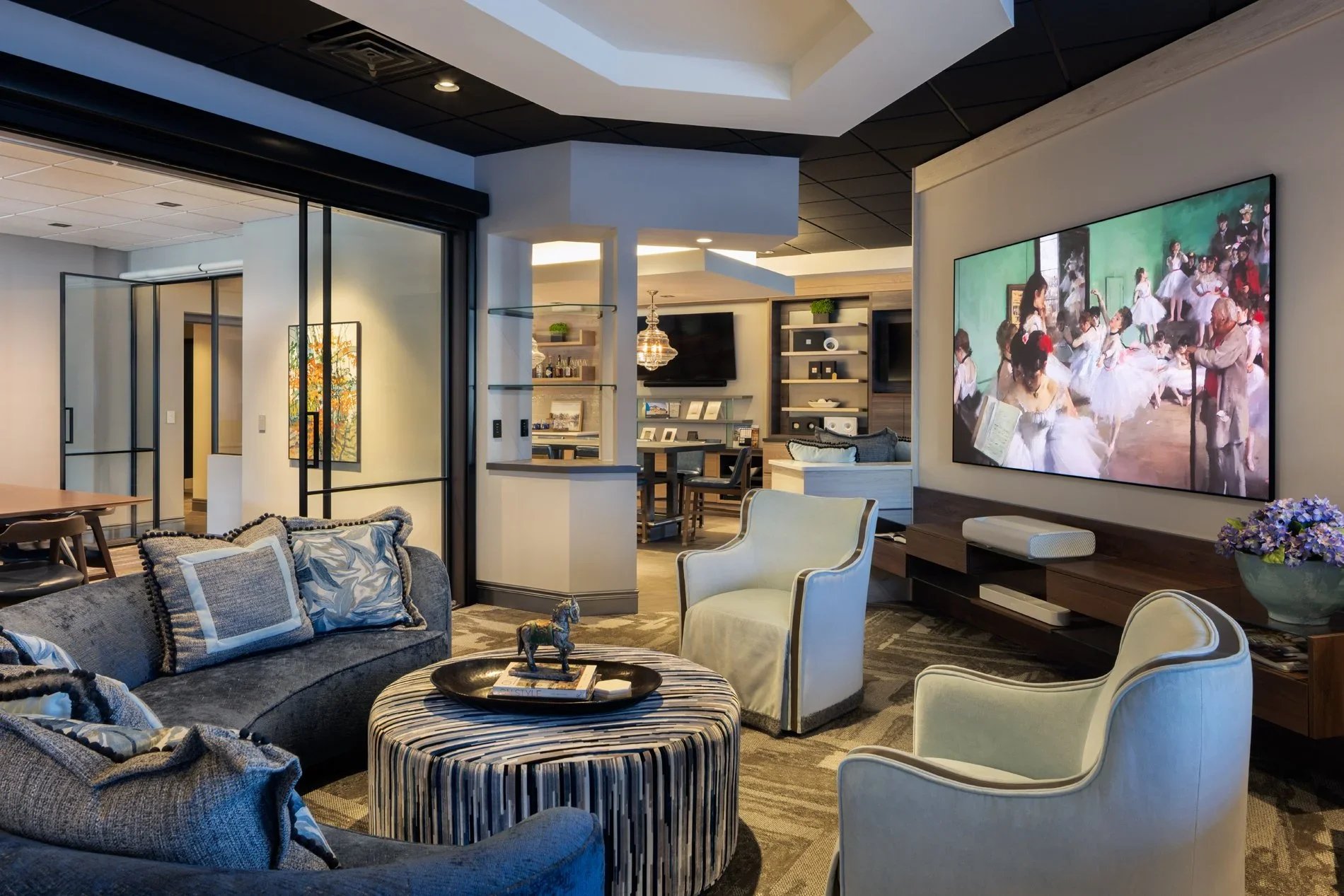
Boutique hotels are highly curated and memorable. They create environments that feel effortless, comfortable, and carefully considered.
This is one reason hospitality design continues to influence residential interiors. Clients often describe wanting their homes to feel like a boutique hotel. Not because they want their house to resemble a commercial property, but because they are drawn to the experience these spaces provide.
At Pedro Lima Interiors, our work in both high-end residential and hospitality-adjacent environments has reinforced an important observation: what boutique hotels get right is not only the furniture, finishes, and decorative details, but also the way the space functions, flows, and makes people feel.
Many of the principles that make boutique hotels successful can be thoughtfully applied to residential design.
Boutique Hotel Design Prioritizes Experience Over Decoration
One of the defining characteristics of boutique hospitality design is that every decision supports a larger experience. Guests rarely remember a hotel because of a single material or furniture selection. Instead, they remember how easily they navigated the space, how comfortable they felt during their stay, and whether the environment felt cohesive and intentional.
The same principle applies to residential design. Rather than approaching a home as a collection of individual rooms, boutique hotel design considers how people move through an environment from arrival to departure. Spaces are designed as a sequence of experiences rather than a series of isolated decisions.
This shift in perspective often leads to stronger residential interiors because the focus moves away from acquiring more furnishings and toward creating a more cohesive environment.
How Hospitality-Inspired Interior Design Improves Flow
Many residential projects focus heavily on aesthetics while overlooking circulation. Hospitality environments cannot afford to do this. Hotels are carefully planned to support movement, comfort, and intuitive wayfinding. Guests should always understand where they are, where they are going, and how spaces relate to one another.
Homes benefit from the same level of consideration. Thoughtful circulation affects:
How people gather
How rooms connect
How entertaining functions
How comfortable daily routines feel
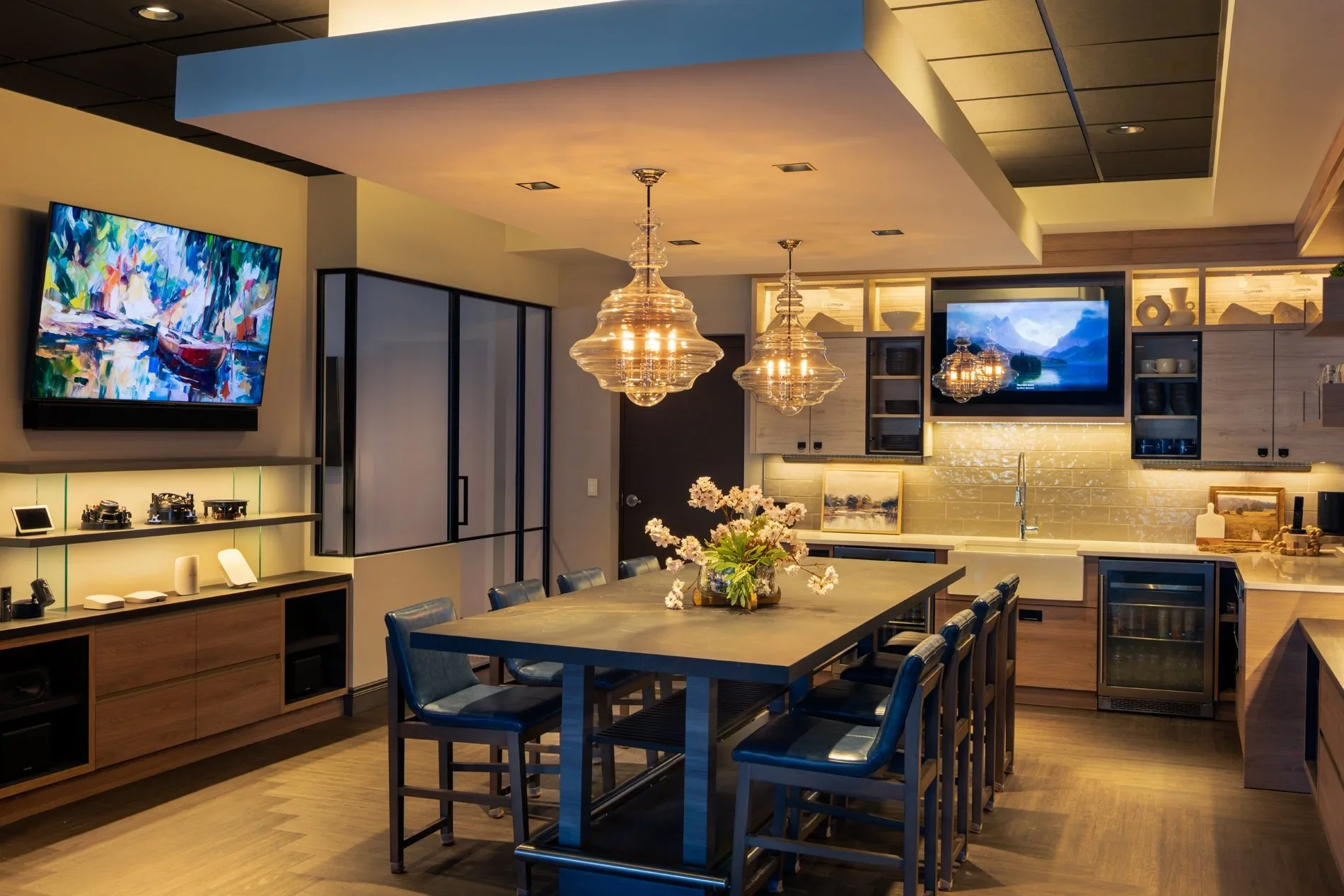
Often, improving flow has a greater impact than introducing new finishes or furnishings. Small adjustments to furniture placement, room relationships, or architectural openings can dramatically change how a home is experienced.
Boutique Hotels Understand the Importance of Layered Lighting
Lighting is one of the most influential elements in hospitality design. Boutique hotels rarely rely on a single overhead fixture. Instead, they use multiple layers of light to create atmosphere, flexibility, and comfort throughout the day.
This typically includes:
Ambient lighting
Task lighting
Accent lighting
Decorative lighting
The goal is not simply illumination. It is creating an environment that adapts to different activities and times of day.
Residential interiors benefit from the same approach. A room designed for morning coffee, afternoon work, evening gatherings, and quiet nights requires flexibility. Layered lighting allows spaces to shift naturally throughout the day while maintaining a sense of warmth and comfort.
Why Boutique Hotels Feel Comfortable Without Feeling Cluttered
One of the misconceptions about luxury interiors is that luxury requires more. Boutique hotels demonstrate the opposite.
The most successful hospitality environments tend to be highly edited. Every piece serves a purpose. Furnishings support comfort and function. Accessories are intentional rather than excessive. This restraint creates clarity.
When applied to residential design, a more edited approach allows architecture, materials, and craftsmanship to become more visible. Rooms feel calmer, more functional, and easier to maintain without sacrificing character.
The goal is not minimalism. It is intentionality.
Hospitality Design Creates Spaces Designed for Gathering
Hospitality environments are designed around people. Whether it is a hotel lobby, lounge, restaurant, or guest suite, the design anticipates how people will gather, interact, and spend time together.
Residential interiors benefit from the same thinking. Rather than designing around individual objects, we often begin by asking questions about behavior:
How do people arrive?
Where do they naturally gather?
How do they move through the home?
What supports meaningful interaction?
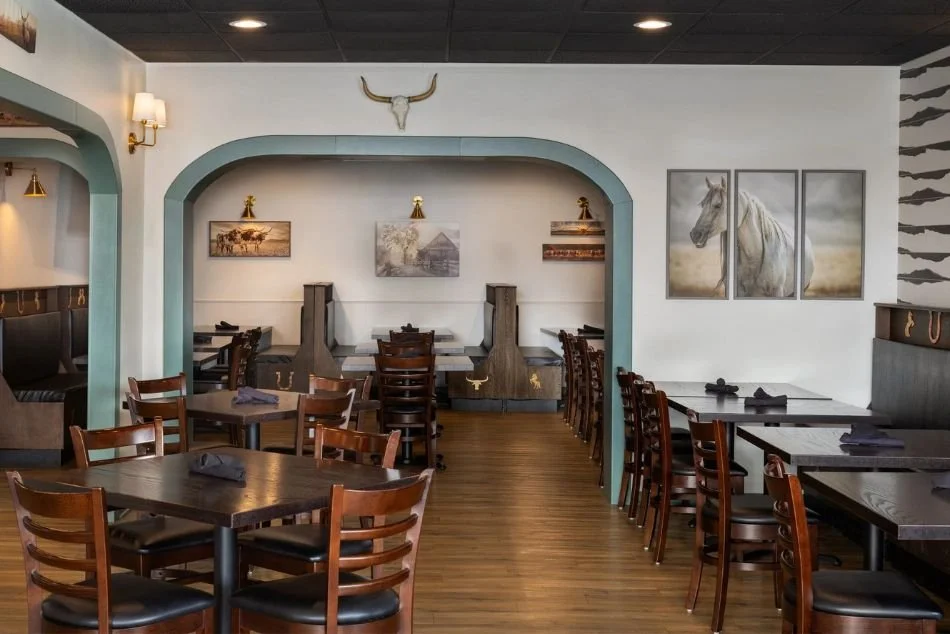
These questions frequently lead to stronger design solutions than focusing solely on aesthetics.
Material Selection in Boutique Hotels Balances Beauty and Durability
Hospitality environments must perform at a high level. Materials experience significant wear while still needing to maintain their appearance over time. As a result, boutique hotels often prioritize materials that are both beautiful and durable.
This principle aligns closely with our approach to residential design. Material intelligence considers:
Durability
Maintenance requirements
Aging characteristics
Environmental conditions
Long-term performance
A thoughtfully selected material palette allows a home to feel refined while remaining practical for everyday living.
The goal is not perfection. It is longevity.
Bringing Boutique Hotel Design Principles Into Your Home
The best boutique hotels understand that luxury is not simply a visual experience. It is the result of thoughtful planning, careful editing, material intelligence, and a deep understanding of how people interact with space.
These same principles can transform residential environments. When applied thoughtfully, hospitality-inspired design creates homes that feel more comfortable, intuitive, and welcoming—not because they resemble hotels, but because they prioritize the experiences that matter most.
FAQs About Hospitality-Inspired Home Design
Which boutique hotel design principles can be applied to residential design?
Boutique hotels are designed around the guest experience, with a strong emphasis on flow, comfort, atmosphere, and functionality. All of these principles can be applied to residential interiors.
How can I make my home feel like a boutique hotel?
Rather than copying hotel aesthetics, focus on the elements that shape experience: thoughtful lighting, comfortable furnishings, cohesive materials, intuitive circulation, and spaces designed for gathering.
Why is hospitality design influencing luxury residential interiors?
Hospitality design prioritizes comfort, usability, and atmosphere. Homeowners are increasingly drawn to these qualities because they improve everyday living while creating more welcoming environments.
What is hospitality-inspired interior design?
Hospitality-inspired interior design applies principles commonly used in boutique hotels, restaurants, and hospitality environments to residential spaces, creating homes that feel intentional, comfortable, and highly functional.
Can hospitality design principles work in existing homes?
Yes. Many hospitality-inspired improvements involve circulation, lighting, furniture planning, and material selection rather than major structural changes, making them applicable to both renovations and existing residences.
Interested in Bringing Hospitality-Inspired Design Into Your Home?
At Pedro Lima Interiors, we are a bi-coastal interior design practice that specializes in high-end residential and boutique hospitality environments designed for living, gathering, and long-term use.
If you're considering a new project and would like to explore how hospitality design principles can enhance your space, book a Discovery Call to start the conversation.
