

Renovation and the Roles of Editing, Constraint, and Long-Term Planning in the Design-Build Process

Renovation is often framed as transformation. Before-and-after images emphasize contrast, and conversations around renovating tend to focus on what is being added, expanded, or replaced. But in practice, the most successful renovations are rarely about starting over. More often, they are about paying close attention to what already exists and making careful decisions about what deserves to remain.
At Pedro Lima Interiors, renovation is approached as a form of stewardship rather than reinvention. Existing conditions are not treated as obstacles to work around, but as information that helps clarify what matters most. The process becomes less about imposing a completely new idea onto a structure and more about understanding how a space can evolve while maintaining continuity, integrity, and long-term usability.
Key Takeaways
Successful renovations begin with understanding the strengths of the existing structure.
Thoughtful editing often creates more impact than simply increasing square footage.
Constraints can lead to clearer priorities and stronger long-term design decisions.
A cohesive renovation balances contemporary updates with respect for the original architecture.
Long-term functionality and durability should guide renovation decisions as much as aesthetics.
Why a Thoughtful Renovation Starts with Understanding Existing Conditions
Every existing structure carries its own logic. Proportions, circulation patterns, natural light, material transitions, and structural limitations all reveal something about how a building was intended to function. Even when parts of a home or commercial space no longer support the way the space is used today, there is often valuable information embedded within the original architecture.
This is why renovation projects require a different kind of discipline than new construction. Rather than designing in abstraction, the work begins by studying what is already present. Existing conditions tend to sharpen judgment because they require decisions to become more precise.
Where does the existing structure already work well? Which architectural elements create continuity? Which interventions will have the greatest impact without disrupting the integrity of the structure? These questions help establish priorities early in the process.
In many cases, restraint becomes just as important as change.
Renovation is Rarely About Adding More
One of the most common misconceptions about renovating is that improvement always comes through expansion. In reality, adding more square footage or introducing more visual complexity does not automatically create a better environment.
Often, the most meaningful renovations come from editing rather than layering. Reworking circulation can improve how a space functions more dramatically than increasing its size. Adjusting proportions, improving sightlines, refining lighting, or reorganizing storage can completely change how a space is experienced day to day without fundamentally altering the architecture itself.

This is especially true in homes or commercial spaces that have evolved through multiple phases over time. Renovation becomes an exercise in clarifying what belongs and removing what no longer supports the larger whole.
The focus is not simply on creating visual impact. It is on understanding how a space will be lived in or utilized over time and making decisions that support comfort, clarity, efficiency, and long-term use.
How Constraints Improve Renovation Decisions
Constraints are often viewed negatively within design conversations, but they frequently lead to stronger outcomes. Existing structures create boundaries that force greater intentionality around planning, materials, and sequencing.
Structural limitations may influence how spaces connect. Existing window locations may determine how light moves through a room. Mechanical systems, ceiling conditions, and circulation paths all affect what can realistically be changed and what should remain untouched.
Rather than resisting those conditions, an atelier-informed renovation process uses them to guide decision-making. Constraints help clarify where resources should be concentrated and where restraint will ultimately create a more cohesive result.
This is one reason renovation work tends to require deeper collaboration across architects, contractors, fabricators, and consultants. Every decision has downstream effects, and successful projects depend on understanding how all of the parts interact before construction begins.
The goal is not perfection in isolation. It is alignment across the entire project.
Preserving Continuity While Improving Function
One of the challenges with renovating is balancing continuity with change. Clients often want their space to feel updated and more supportive of contemporary use, but they also want the work to feel integrated rather than disconnected from the original structure. This is where proportion, material selection, and architectural rhythm become especially important.
In many renovation projects, the most successful interventions are the ones that feel inevitable, as though they always belonged within the structure. That does not mean avoiding contemporary elements or expressive design decisions. It means introducing them in a way that respects the existing architecture rather than competing against it.
Material intelligence also plays a significant role in this process. New finishes and additions must relate not only visually, but physically, to what already exists. Durability, aging, maintenance, and environmental conditions all influence how materials will perform over time.
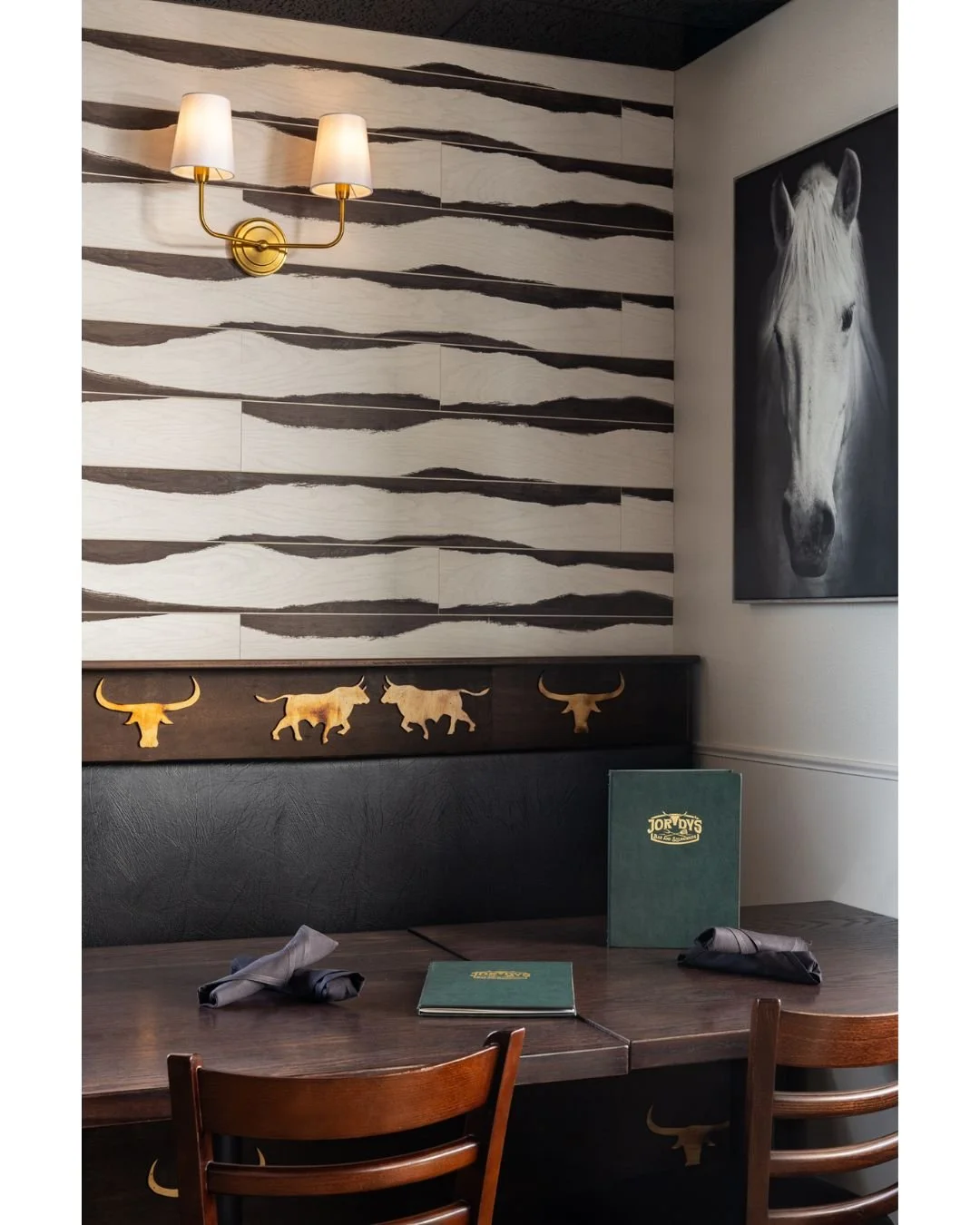
A renovation should not feel divided between old and new. It should feel cohesive enough that the transitions become almost unnoticeable.
Designing Renovations for Long-Term Use
Stewardship in renovation ultimately comes down to longevity. The goal is not simply to make a space look updated for the present moment, but to create spaces that continue to function well years into the future.
When renovation decisions are grounded in this principle, the work becomes more durable both functionally and visually, which is why we approach renovations as a process of refinement rather than replacement.
Existing structures provide the framework, but careful planning, material intelligence, and disciplined decision-making allow the space to evolve into something more coherent, usable, and enduring over time.
FAQs About Renovation and Stewardship
What does “renovation as stewardship” mean?
It means approaching a renovation by carefully evaluating what already exists and making thoughtful decisions about what should be preserved, refined, or changed rather than treating the project as a complete reinvention.
Why are constraints important in renovation projects?
Constraints help clarify priorities and often lead to stronger design decisions. Existing structural conditions, circulation patterns, and architectural details provide information that guides more intentional planning.
Is a successful renovation always about expanding a space?
No. Many successful renovations focus more on improving functionality, circulation, storage, lighting, and spatial clarity rather than adding square footage.
How do you modernize a structure without losing its character?
The key is balancing continuity and change. Thoughtful renovations respect the existing architectural language while introducing updated materials, layouts, and functionality in a way that feels cohesive.
Why does material selection matter so much in renovation work?
Materials need to relate to both the existing structure and the way the space will be used over time. Durability, maintenance, aging, and environmental conditions all influence long-term performance.
Considering a renovation project?
At Pedro Lima Interiors, we are a bi-coastal, atelier-informed interior design firm specializing in high-end residential and boutique hospitality environments designed for long-term living, gathering, and use.
Whether you’re considering a full renovation, refining an existing space, or simply trying to better understand what’s possible within your home or property, book a Discovery Call to start the conversation.
